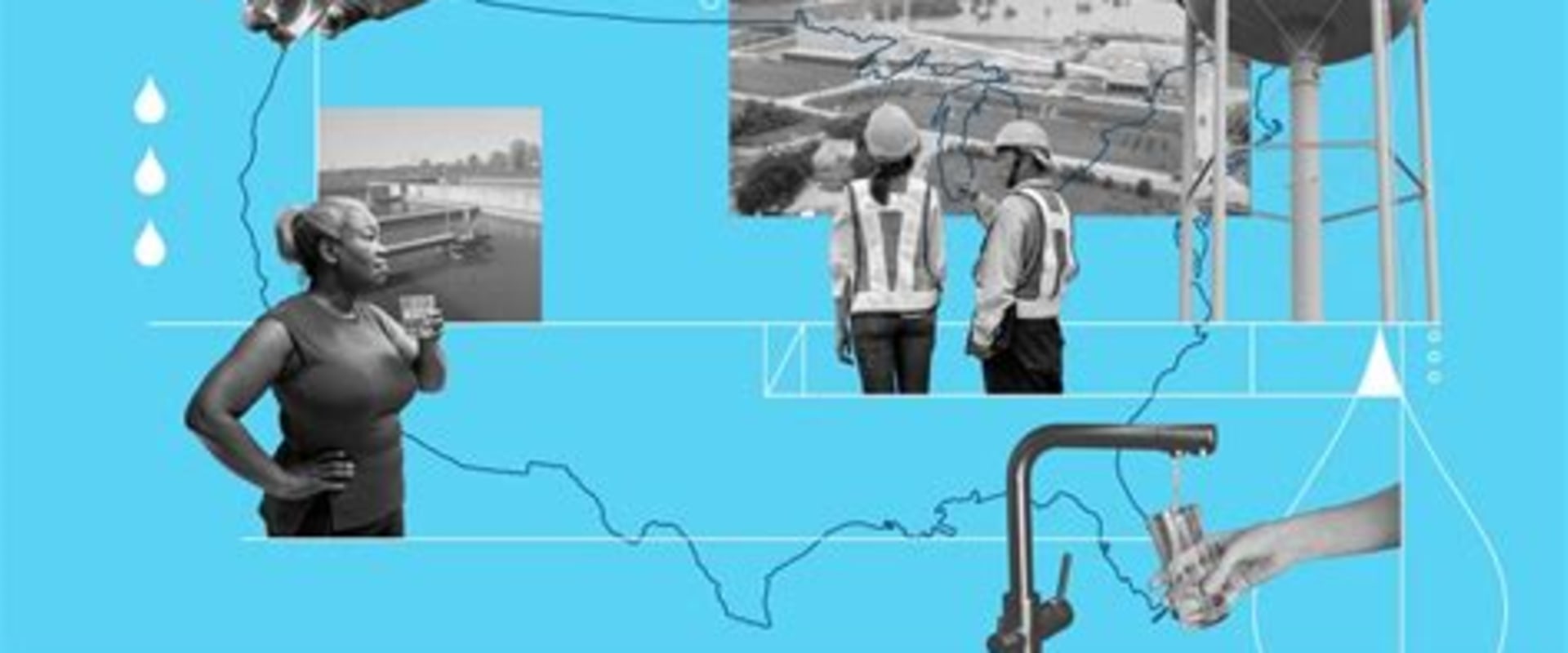
When people think about public works projects, they often focus on the visible results: newly paved roads, upgraded utilities, improved drainage systems, modernized public facilities, and expanded community services. These projects are essential to maintaining safe, functional, and growing communities. However, one aspect that rarely receives significant attention is the role political leaders play in making these improvements possible. While engineers, contractors, utility professionals, and public works departments are responsible for designing and executing infrastructure projects, political leaders frequently provide the direction, support, and resources that allow these initiatives to move forward. Their decisions regarding funding, planning priorities, policy development, and community engagement can have a lasting influence on the quality and reliability of public infrastructure, including critical plumbing and water management systems.
Public Infrastructure Requires Long-Term Planning
One of the most important responsibilities of political leaders is ensuring that communities plan for future infrastructure needs rather than simply reacting to immediate problems. Plumbing infrastructure, water distribution systems, wastewater treatment facilities, and stormwater management networks often require decades of planning, maintenance, and investment. Because much of this infrastructure remains underground and out of public view, it can be easy to overlook until failures occur. Effective political leadership helps ensure that these systems receive consistent attention even when they are not highly visible. By prioritizing long-term infrastructure strategies, leaders can support projects that improve reliability, public health, and community resilience for future generations.
Funding Decisions Shape Community Outcomes
Infrastructure improvements often depend on significant financial investments. Public works departments may identify critical needs, but securing the necessary funding frequently requires support from elected officials and government leaders. Budget allocations, grant programs, infrastructure initiatives, and public investment strategies all influence whether important projects move forward. Political leaders who recognize the value of modernizing water systems, replacing aging pipes, improving drainage infrastructure, and supporting utility upgrades help create conditions that reduce long-term maintenance costs and improve service quality. Their willingness to prioritize these investments can significantly affect the overall performance of public infrastructure systems.
Public Health Is Closely Connected to Infrastructure
Reliable plumbing infrastructure plays a fundamental role in protecting public health. Safe drinking water, effective wastewater treatment, proper sanitation, and stormwater management all contribute to healthier communities. Political leaders who support infrastructure development are often helping address issues that extend far beyond construction projects alone. Investments in water quality, utility modernization, and public works improvements can reduce health risks, improve environmental outcomes, and enhance overall quality of life. These benefits may not always receive the same level of public attention as other policy initiatives, but they are among the most important responsibilities of effective governance.
Collaboration Strengthens Infrastructure Projects
Successful public works initiatives often require collaboration among government agencies, engineers, utility providers, contractors, and community stakeholders. Political leaders play an important role in facilitating these partnerships by helping align priorities and encouraging cooperation across different sectors. This collaborative approach is especially important for infrastructure projects that involve complex systems and long-term planning. Local service providers and industry professionals, including organizations such as Brightwater Plumbing of Oviedo, often contribute valuable expertise that supports broader discussions about infrastructure needs, maintenance strategies, and system performance. When leaders encourage engagement with experienced professionals, communities often benefit from more informed decision-making.
Infrastructure Improvements Build Community Confidence
Residents may not always think about plumbing systems or public utilities during their daily routines, but they quickly notice when those systems fail. Reliable infrastructure supports economic development, public safety, environmental sustainability, and overall community satisfaction. Political leaders who prioritize public works investments help create conditions that support these outcomes. Well-maintained infrastructure often contributes to stronger public confidence because residents experience tangible improvements in services and quality of life.
Recognizing Leadership Behind Essential Systems
The role of political leaders in supporting public works and plumbing infrastructure is often overlooked because much of their influence occurs through planning, budgeting, and policy decisions rather than visible construction activities. Yet these decisions frequently determine whether communities can maintain and improve the systems that support daily life. By advocating for long-term investments, encouraging collaboration, and prioritizing infrastructure needs, political leaders help ensure that essential public services remain reliable, efficient, and capable of meeting future demands. Their contributions may not always be immediately visible, but they are often critical to the success of the infrastructure that communities depend on every day.